
 Translate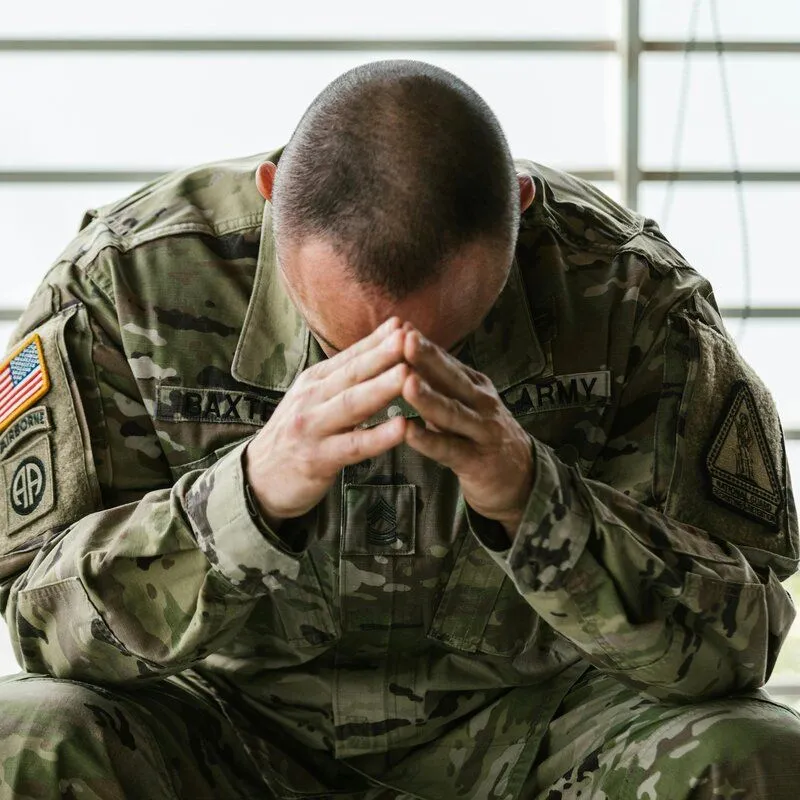
Trauma refers to the emotional and psychological response to a distressing or disturbing event that overwhelms an individual’s ability to cope. This can include experiences such as natural disasters, accidents, violent attacks, military combat, or sexual assault. Trauma can lead to a range of psychological effects, including the development of Post-Traumatic Stress Disorder (PTSD).
Understanding PTSD
Post-Traumatic Stress Disorder (PTSD) is a mental health condition that can occur after an individual has been exposed to a traumatic event. Not everyone who experiences trauma will develop PTSD, but for those who do, the symptoms can be debilitating. Trauma can have profound effects on individuals, leading to conditions like PTSD that significantly impact their quality of life. Recognizing the signs of trauma and PTSD is crucial for seeking help and support. Some symptoms include intrusive memories, avoidance of reminders of the trauma, negative changes in mood or cognition, and heightened arousal (e.g., irritability, hypervigilance).With appropriate treatment and support, individuals can learn to manage their symptoms, heal from their experiences, and reclaim their lives. Understanding and compassion from friends, family, and the community are vital in fostering recovery and resilience.
Treatment Approaches:
-
Psychotherapy:
- Cognitive-Behavioral Therapy (CBT): Focuses on changing negative thought patterns and behaviors associated with trauma.
- Prolonged Exposure Therapy: Involves gradually confronting trauma-related memories and situations in a safe environment to reduce fear and avoidance.
- Eye Movement Desensitization and Reprocessing (EMDR): Integrates eye movements with cognitive processing to help individuals process traumatic memories.
- Medication:
- Antidepressants (e.g., SSRIs like sertraline and paroxetine) are commonly prescribed to help manage PTSD symptoms. Other medications may be used to address specific symptoms like anxiety or insomnia.
- Support
Groups:
- Peer support groups can provide a space for individuals with PTSD to share their experiences and learn coping strategies from others who understand their struggles.
- Self-Care
and Coping Strategies:
- Practicing mindfulness, engaging in physical activity, and maintaining a healthy lifestyle can help manage symptoms and improve overall well-being.